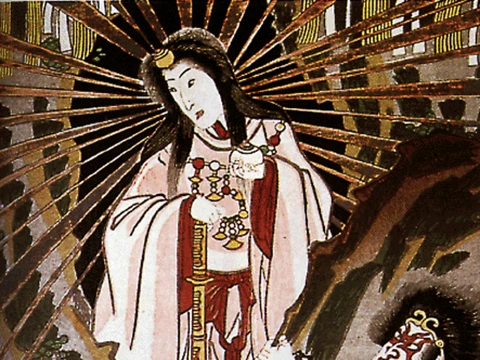
Chimimōryō
Ancient Chinese term for mountain and river monsters.
Chimimōryō (Chinese: 魑魅魍魉; pinyin: Chīmèi wǎngliǎng; Japanese: 魑魅魍魎) is a term referring to monsters of the mountains and monsters of the rivers. Originating in China roughly 2,500 years ago in ancient chronicles such as the Zuo Zhuan, it comes from legends about spirits that harm people in mountains and swamps, with the original meaning of 'all kinds of Yaoguai (demons and ghosts).' The term encompasses two distinct types of spirits: Chimei and Wangliang.
- origin
- China, roughly 2,500 years ago
- earliest_recorded_source
- Zuo Zhuan
- field
- Folklore, mythology
- known_for
- Term for mountain and river monsters; all kinds of demons and ghosts
- also_known_as
- Chīmèi wǎngliǎng (Chinese), Chimimōryō (Japanese), Si mị võng lượng (Vietnamese)
Lore & Background
Chimei (魑魅; Chimi in Japanese), also called Kui, are spirits born from the strange atmosphere of mountains and forests, transformed from wood and stone. They are characterized by a human face and an animal body with four legs, and are described as very charming. Wangliang (魍魎; mōryō in Japanese) are spirits from mountains, rivers, trees, and rocks, emerging from the life energy of natural things to fool humans. They are said to eat the dead, have the appearance of a child, stand on two feet, have dark red skin, red eyes, long ears, beautiful hair, and a voice resembling a human's. In Japan, they are thought to be oni.
Reader's Guide
The term Chimimōryō has persisted for over two millennia, appearing in Chinese, Japanese, and Vietnamese literature as a general designation for malevolent spirits. In Japanese folklore, the Wamyō Ruijushō from the Heian period considered Wangliang a type of oni under the name 'sudama,' while the Edo-period encyclopedia Wakan Sansai Zue viewed them as mountain gods (Yama-no-Kami) or water gods (Suijin). In Vietnamese literature, the phrase appears in the Truyền kỳ mạn lục as a general term for demons and monsters, with a passage warning that common people, full of desires, often fall prey to them. The etymology remains debated: the Records of the Grand Historian describes a 魑 as a mountain god shaped like a tiger and a 魅 as a swamp god with a beast's head, suggesting the term expanded to encompass beasts of various attributes.
Did You Know?
- The term originated in China roughly 2,500 years ago in the Zuo Zhuan.
- Chimei are spirits transformed from wood and stone, with a human face and animal body with four legs.
- In Japan, Wangliang are thought to be oni and have been considered both water gods and mountain gods.
- In Vietnamese literature, the term appears in the Truyền kỳ mạn lục as a general term for all kinds of demons and monsters.
More in Japanese folklore 1-24
Spotted an error? Know more?
This is a living reference — every entry is fact-audited, and reader corrections feed straight into our audit queue. Suggest an edit · See this site's audit record