Frequently Asked Questions
The most-asked questions about japanese folklore.
What exactly is Japanese folklore?
Japanese folklore is the broad collection of oral traditions, supernatural beliefs, folktales, and cultural practices transmitted across generations in Japan. It spans everything from creation narratives and kami veneration to village ghost stories and seasonal customs tied to the agricultural calendar.
Who are the most recognizable figures in Japanese folklore?
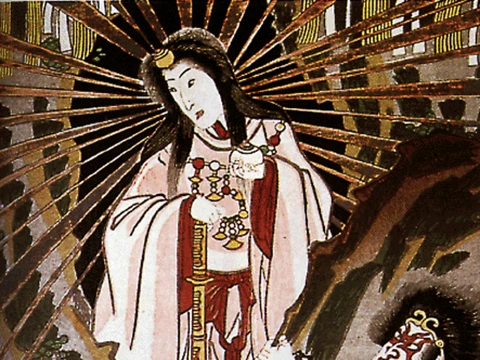
The most iconic characters include kami (deities such as Amaterasu and Susanoo), yokai (supernatural beings like kitsune foxes, tengu, and kappa), and oni (demonic figures). These archetypes recur across classical literature, ukiyo-e prints, and modern media.
What is the difference between kami and yokai?
Kami are generally revered spiritual forces tied to nature, ancestors, or sacred places, whereas yokai are supernatural beings that range from playful to malevolent and often encode moral lessons or human anxieties. The boundary is fluid, since some yokai are demoted kami and certain kami can take threatening forms.
Which source texts are considered foundational for Japanese folklore?
The Kojiki (712 CE) and Nihon Shoki (720 CE) preserve the earliest written mythological narratives, while the Konjaku Monogatarishu (12th c.) and illustrated collections like the Hyakki Yagyō document folktales and creature lore. Together they form the backbone of what scholars and fans reference.
Where should a newcomer begin exploring Japanese folklore?
Start with an accessible retelling of the Kojiki myths to grasp the cosmogonic framework, then move to yokai picture books or Hyakki Yagyō illustrations for a visual introduction to the creature tradition. Branching into regional folktale anthologies or a solid academic overview afterward fills in the wider cultural context.
How does Japanese folklore differ from Japanese mythology?
Myology in the Japanese sense usually refers to the grand cosmogonic and imperial-founding narratives recorded in the Kojiki and Nihon Shoki. Folklore is broader and more local, covering village ghost tales, proverbs, folk rituals, and the vast yokai world that never entered official court chronicles.
What role do yokai play in Japanese culture beyond storytelling?
Yokai serve as moral cautionary figures, explanations for natural events, and a rich visual vocabulary that shaped Edo-period theater, woodblock printing, and contemporary anime or film. They also anchor local shrine rituals and seasonal festivals in many communities.
Are there calendar-based or seasonal elements woven into Japanese folklore?
Many folk beliefs are tied to the lunar and solar year, such as Obon (welcoming ancestral spirits), Tanabata star-lore, and New Year shrine-visit customs. Agricultural cycles generated their own layer of protective charms, planting rituals, and harvest thanksgiving practices.
What are tsukumogami?
Tsukumogami are everyday objects—scissors, brooms, armor, umbrellas—believed to acquire a spirit and come to life after roughly a hundred years of use. They reflect a distinctly Japanese idea that long human association imbues material things with spiritual weight.
How has Japanese folklore influenced modern pop culture?
Contemporary anime, manga, and video games routinely adapt yokai, kami, and classic folktale structures, as seen in Studio Ghibli films, the Inuyasha series, or the supernatural side-quests in the Yakuza games. This keeps centuries-old narratives actively circulating for new audiences.